
Responsible Gaming at Sweepstakes Casinos: How to Play Within Limits
 Available in US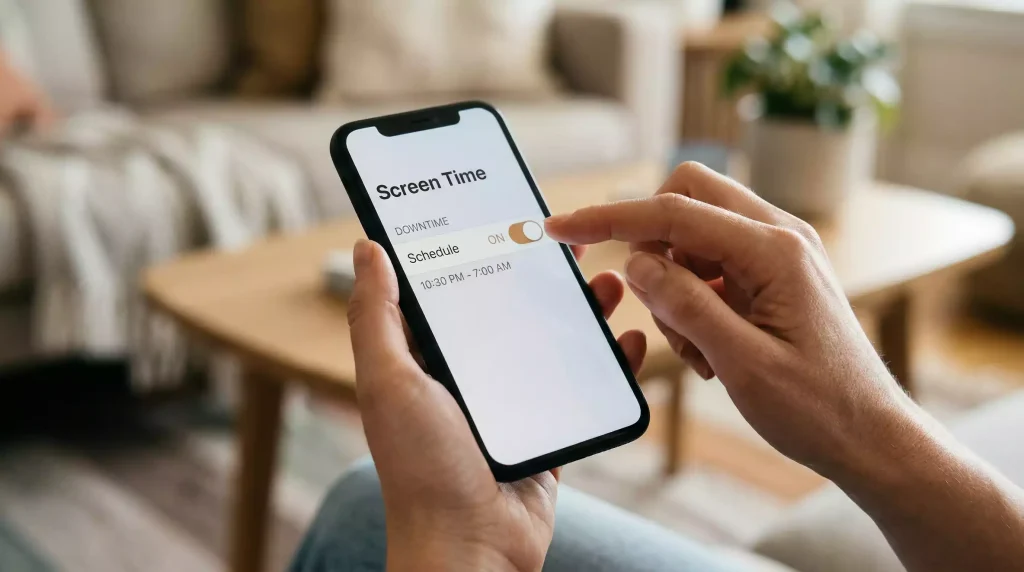
Responsible gaming tools at sweepstakes casinos lag behind what regulated gambling operators provide. This gap exists by design—sweepstakes platforms operate outside gambling regulatory frameworks that mandate player protection features. The same legal positioning that allows these sites to function across most US states also exempts them from responsible gaming requirements that licensed casinos must implement. Players seeking protection must often advocate for themselves.
The broader landscape offers context for concern. According to NAADGS tracking of problem gambling resources, US public funding for problem gambling services reached $134 million in 2023—a 28% increase from prior years. This growth reflects expanding gambling availability and growing recognition of problem gambling’s prevalence. Sweepstakes casinos contribute to this expanding access while operating outside systems designed to mitigate associated harms.
This guide examines what responsible gaming tools sweepstakes sites actually offer, identifies gaps compared to regulated alternatives, provides self-assessment frameworks for evaluating your own play, connects players with help resources, and discusses advocacy for better protections. Play within limits—here’s how to establish and maintain them.
What Tools Sweepstakes Sites Offer
Most established sweepstakes casinos provide some basic responsible gaming features, though implementation varies by platform. Daily or weekly purchase limits allow players to cap their spending on Gold Coin packages. When enabled, these limits prevent purchases beyond set amounts regardless of how badly you might want to exceed them in the moment. The friction created by hitting limits provides cooling-off periods that interrupt potential overspending.
Session time reminders appear at some platforms, notifying players when they’ve been active for extended periods. These notifications require player action to continue rather than automatically pausing play, but they create awareness interruptions that purely passive engagement lacks. Players absorbed in gameplay might not notice time passing—reminders make elapsed time explicit.
Self-exclusion options exist at many larger platforms, allowing players to voluntarily block their own access for specified periods. The permanence and reversibility of these exclusions varies—some platforms allow temporary cooldown periods while others implement exclusions that require support intervention to reverse. Understanding your platform’s specific self-exclusion mechanics matters before activating them.
Reality checks that display session statistics—time played, coins used, wins and losses—help players maintain awareness of their activity. Some platforms show this information on-demand while others display it automatically at intervals. Access to accurate play data supports informed decision-making about whether to continue or stop.
What’s Missing Compared to Regulated Casinos
Regulated online casinos in states like New Jersey, Pennsylvania, and Michigan operate under mandatory responsible gaming requirements that sweepstakes platforms don’t face. These requirements include standardized self-exclusion systems, mandated deposit limits, required display of help resources, and submission to regulatory oversight ensuring compliance. Sweepstakes casinos implement protections voluntarily, if at all.
Critically, eight US states provide no public funding for problem gambling services: Alaska, Alabama, Hawaii, Idaho, Mississippi, Montana, Utah, and Texas. Players in these states who develop problems with sweepstakes gambling face limited local resources regardless of platform offerings. The combination of accessible sweepstakes play and absent support infrastructure creates particular vulnerability.
Cross-platform self-exclusion doesn’t exist for sweepstakes casinos. Regulated gambling states maintain exclusion registries that apply across all licensed operators. A player who self-excludes in New Jersey gets blocked from every licensed online casino in the state. No equivalent system covers sweepstakes platforms—excluding yourself from Chumba doesn’t affect your access to Stake.us, McLuck, or any other site. Problem players must exclude from each platform individually.
Regulatory enforcement of responsible gaming compliance applies only to licensed operators. When regulated casinos fail to implement required protections, gaming commissions can fine them or revoke licenses. Sweepstakes platforms face no equivalent accountability. Player complaints about absent or inadequate responsible gaming features have no regulatory avenue for resolution.
Self-Assessment: Signs of Problem Play
Spending more than you can afford represents the clearest warning sign. If sweepstakes purchases create financial strain—missed bills, reduced savings, credit card debt, borrowing to fund play—your engagement has exceeded recreational limits. Entertainment spending should come from discretionary income, not money needed for necessities or financial obligations.
Chasing losses indicates problematic thinking patterns. The urge to continue playing after losing, specifically to “win back” what you lost, often leads to larger losses. Each spin or game is independent—previous losses don’t increase your chances of future wins. Chasing losses reflects emotional rather than rational decision-making that tends to compound harm.
Time displacement warns of unhealthy engagement. When sweepstakes play crowds out work, relationships, sleep, or other activities you value, the balance has shifted. Entertainment that enhances life should fit within life—not consume time needed for other priorities. Honest assessment of how play affects your schedule reveals whether time allocation has become problematic.
Secrecy about play suggests internal recognition that something is wrong. Hiding purchases from partners, lying about time spent playing, or feeling ashamed about your sweepstakes activity indicates you know your behavior wouldn’t withstand outside scrutiny. The urge to hide what you’re doing often precedes conscious acknowledgment of a problem.
Mood effects tied to play outcomes create unhealthy emotional dependencies. If losing ruins your day or winning creates euphoria that non-play activities can’t match, sweepstakes have gained disproportionate emotional influence. Healthy recreational activity produces enjoyment without dominating emotional life.
Resources for Help
The National Council on Problem Gambling operates a confidential helpline at 1-800-522-4700, available 24/7 with trained counselors who can provide immediate support and referrals to local resources. Text and chat options exist for those who prefer non-phone contact. This national resource serves players regardless of which state they’re in or what type of gambling is involved.
Gamblers Anonymous provides peer support through meetings where people with gambling problems share experiences and support each other’s recovery. Meetings exist across the country both in-person and online. The 12-step model has helped many people address gambling problems, though it’s one approach among several rather than the only path forward.
State-specific resources vary by location. States with legal gambling typically maintain problem gambling councils or commissions that coordinate local services. These organizations can connect you with counselors, support groups, and treatment programs in your area. Finding your state’s resources usually starts with searching “[your state] problem gambling help.”
Financial counseling addresses the practical consequences of problem gambling beyond the behavioral issues. Organizations like the National Foundation for Credit Counseling help with debt management that gambling problems may have created. Addressing financial damage alongside behavioral change supports more complete recovery.
Mental health professionals who specialize in addictions can provide individual therapy addressing underlying factors that contribute to problem gambling. Cognitive behavioral therapy has demonstrated effectiveness for gambling disorders. Insurance may cover therapy, making professional help more accessible than some players assume.
Advocating for Better Protections
Player voices can influence platform policies. Customer feedback expressing desire for better responsible gaming tools reaches decision-makers at sweepstakes companies. Platforms competing for player loyalty might implement enhanced protections as competitive differentiators if demand becomes clear. Contact support, use feedback channels, and articulate what features you’d like to see.
Supporting regulatory efforts that would mandate protections addresses the issue systemically. Some states considering sweepstakes casino regulation include responsible gaming requirements in proposed frameworks. Players who contact legislators expressing support for consumer protection requirements add constituent voices to policy debates. Regulation opponents are organized—protection advocates should be too.
Sharing experiences helps others recognize warning signs and seek help earlier. Stigma around gambling problems prevents many people from acknowledging struggles or seeking support. Open discussion—where comfortable—normalizes help-seeking and reduces isolation that problem gamblers often experience. Your story might help someone else recognize their own situation.
Holding platforms accountable through public feedback creates reputation incentives for better behavior. Platforms that ignore responsible gaming face criticism in reviews, forums, and social media. Those that implement meaningful protections deserve recognition. Public acknowledgment of both good and bad practices influences how platforms prioritize player welfare relative to other business concerns.
Responsible Gaming at Sweepstakes Casinos — More on this topic at usa sweepstakes casino.
See also Sweepstakes Casino Customer Support.