
Sweepstakes Casino KYC Verification: Verify Once, Play Always
 Available in US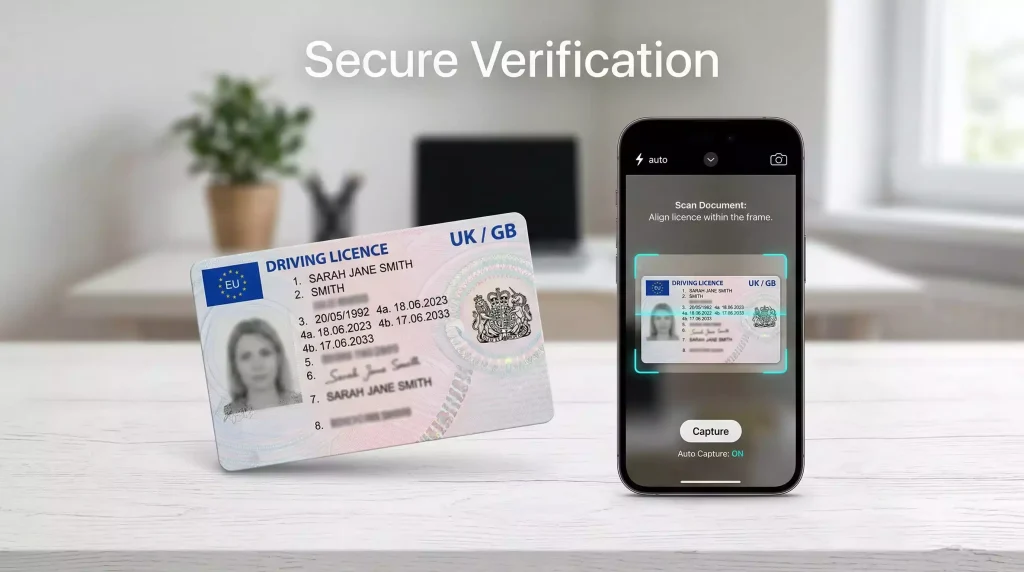
Know Your Customer verification stands between sweepstakes casino play and actual prize redemption. Every platform requires identity confirmation before processing withdrawals—a compliance measure that protects both operators and legitimate players. Understanding KYC before you need to complete it prevents frustrating delays when you’re ready to cash out. Completing verification proactively rather than reactively smooths the redemption process significantly.
The verification requirement exists partly because sweepstakes casinos operate without gambling licenses that would otherwise mandate customer identification. Platforms implement their own KYC procedures to prevent fraud, comply with payment processor requirements, and maintain operational legitimacy. The Connecticut settlement with High5Games revealed that the platform had accepted wagers from individuals on self-exclusion lists—highlighting how verification failures create regulatory exposure that platforms increasingly try to avoid.
This guide covers everything about sweepstakes casino KYC: which documents platforms typically require, how the verification process works step by step, common reasons for rejection and how to avoid them, realistic timing expectations, and addressing privacy concerns. Verify once, play always—here’s how to get it right the first time.
Documents Typically Required
Government-issued photo identification forms the core verification requirement. Driver’s licenses and passports work universally. State ID cards typically also qualify. The document must show your legal name, photo, date of birth, and current validity—expired documents get rejected. The name on your ID must match your platform account registration exactly, including middle names or initials if you included them during signup.
Proof of address confirms your residential location. Utility bills, bank statements, and official correspondence showing your name and address typically qualify. Documents must be recent—usually within 90 days—and clearly legible. Some platforms accept government correspondence like tax documents or voter registration. Mobile phone bills sometimes work; pre-printed address labels typically don’t. Check specific platform requirements before submitting.
Payment method verification may be required depending on how you fund purchases. If you buy Gold Coins via credit card, the platform might request photos of the card showing name and last four digits. Bank account verification for withdrawals might require statement screenshots or micro-deposit confirmation. These requirements vary by platform and payment method used.
Selfie verification adds biometric confirmation at some platforms. You’ll photograph yourself holding your ID, sometimes with additional requirements like holding a paper showing the current date or platform name. This step confirms the ID belongs to you rather than being stolen or fabricated. Selfie requirements have become more common as fraud sophistication increases.
Additional documentation may be requested based on account activity or withdrawal amounts. Large redemptions often trigger enhanced verification. Accounts showing unusual patterns might face more scrutiny. While basic verification handles most situations, be prepared for potential follow-up requests—having additional documents accessible prevents extended delays.
Step-by-Step Verification Process
Initiate verification through your account settings or cashier section. Most platforms include a verification or identity section where you upload documents. Some platforms prompt verification during first withdrawal attempts; others allow proactive completion anytime. Finding the verification interface before you need it helps avoid confusion when redemption time arrives.
Photograph documents clearly using good lighting. Natural daylight typically produces better results than artificial lighting. Capture the entire document without cropping edges. Ensure all text is readable—blurry images cause rejections. Avoid glare that obscures information. Taking multiple photos and selecting the best one improves first-submission success rates.
Upload documents according to platform specifications. Some platforms accept various image formats; others require specific types. File size limits may apply. Labeling requirements—naming files specifically, uploading to correct categories—vary by platform. Following instructions precisely prevents technical rejections that delay processing regardless of document quality.
Wait for review completion. Human reviewers examine submitted documents against platform criteria. This review takes time—typically 24-72 hours, sometimes longer during busy periods. Repeated checking doesn’t accelerate review. Patience during this phase prevents unnecessary support contacts that add to queue volumes for everyone.
Respond to requests promptly if additional documentation is needed. Partial approvals—where some documents pass but others need resubmission—require timely follow-up. Delays in responding to requests extend overall verification timelines. Treating follow-up requests as urgent keeps the process moving toward completion.
Common Rejection Reasons
Image quality issues cause frequent rejections. Blurry photos, poor lighting, partial document visibility, and glare obscuring text all fail review. The solution is simple: take better photos. Use a stable surface, ensure good lighting, capture complete documents, and review images before uploading. Most quality rejections are easily avoidable with minimal effort.
Information mismatches between documents and account registration create problems. If you registered with a nickname but your ID shows your full legal name, expect rejection. Address documents showing old addresses after you’ve moved don’t match current registration. Ensuring consistency between your account information and documentation before submitting prevents these mismatches.
Document validity issues include expired IDs, outdated proof of address, and non-qualifying document types. Using current documents from acceptable categories avoids these rejections. When in doubt about whether a document qualifies, check platform FAQ sections or contact support before uploading—getting clarity first prevents wasted submission cycles.
Approximately 90% of competitors in the sweepstakes space provide no detailed KYC comparison or guidance, leaving players to figure out requirements through trial and error. This opacity benefits platforms facing fewer support inquiries about specific requirements. Players who research requirements proactively gain advantages over those who submit blindly and iterate through rejections.
How Long Verification Takes
Initial submission review typically completes within 24-72 hours at established platforms. This timeline assumes straightforward documentation without issues requiring follow-up. Weekends and holidays may extend timing since review staff maintain business-hour schedules. Submitting early in the week often produces faster results than Friday submissions that sit over weekends.
First-time verification takes longer than you might expect when accounting for potential rejections and resubmissions. If initial documents get rejected, you need to obtain correct documentation, resubmit, and wait for another review cycle. Building in buffer time prevents frustration when you’re eager to cash out. Completing verification before you actually need redemption eliminates this timing pressure.
High-volume periods extend processing times. Major promotional events that drive new player registrations create verification backlogs. Holiday periods combine increased activity with reduced staffing. If you’re joining during obvious high-volume periods, expect longer waits than baseline estimates suggest.
Subsequent verification for address updates or new payment methods processes faster than initial verification. Once your identity is confirmed, adding or changing supporting information faces less scrutiny. The platform already knows who you are; they’re just updating records. These updates typically process within 24 hours at most platforms.
Privacy Concerns Addressed
Submitting identity documents to sweepstakes casinos raises legitimate privacy concerns. You’re providing sensitive personal information to companies operating without traditional gambling licenses. Understanding how platforms handle this information helps assess risk and make informed decisions about participation.
Data storage and security practices vary across platforms. Established operators typically implement encryption for document storage and transmission. Smaller or newer platforms may have less robust security infrastructure. Privacy policies—which most players never read—describe data handling practices that affect your document security. Reviewing these policies, particularly for newer platforms, informs risk assessment.
Document retention periods affect ongoing risk exposure. Some platforms delete verification documents after confirmation; others retain them indefinitely. Knowing how long your information remains in platform systems helps evaluate long-term privacy implications. Platforms that delete documents after verification limit exposure to potential future breaches.
Platform jurisdiction affects privacy protections. US-based platforms operate under American data protection frameworks. Offshore platforms may follow different standards—or no meaningful standards. Knowing where your platform operates and which privacy regulations apply helps assess how seriously your data protection concerns will be addressed.
Breach notification practices matter if something goes wrong. Reputable platforms commit to notifying affected users if data breaches occur. Less reputable ones might stay silent. Checking whether platforms have experienced past breaches and how they responded indicates their data protection seriousness. This research particularly matters before submitting documents to newer or less established platforms.
Sweepstakes Casino KYC Verification — More on this topic at usa sweepstakes casino.
See also Social Casino vs Sweepstakes Casino.