
Sweepstakes Casino Payment Methods: Smooth Transactions In and Out
 Available in US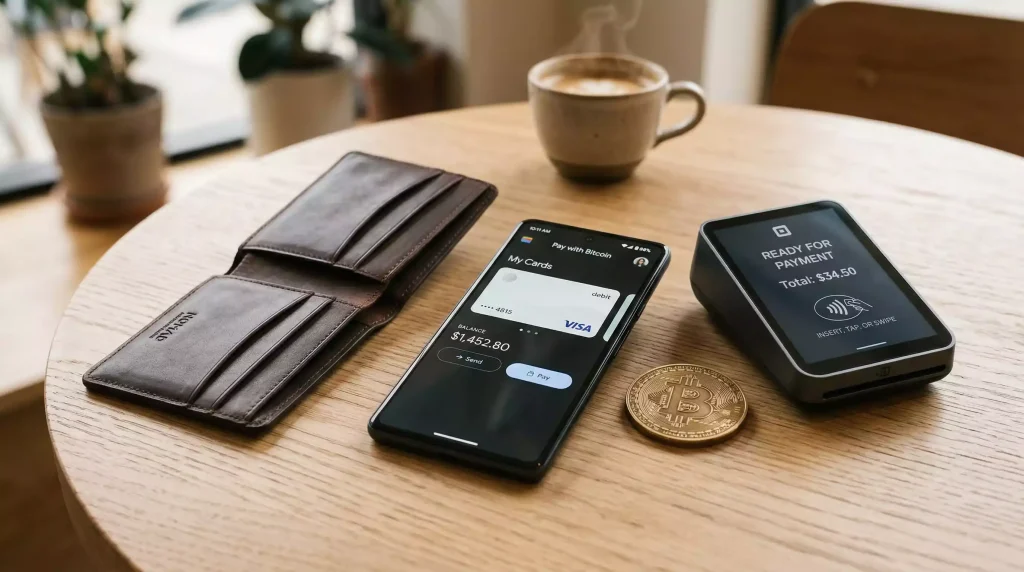
Getting money into sweepstakes casinos and getting it back out involves navigating payment options that vary significantly across platforms. Credit cards work somewhere but not everywhere. Bank transfers are universal but slow. Cryptocurrency offers speed at some sites while remaining unavailable at others. Understanding your payment options before committing to a platform prevents frustrating discoveries when you’re ready to purchase or withdraw.
The payment landscape reflects sweepstakes casinos’ unique position. They’re not licensed gambling operations, so they can’t access gambling-specific payment rails. They’re not simple e-commerce, so standard merchant processing sometimes flags transactions. This liminal status affects which payment methods work reliably and which create complications. Players benefit from understanding these dynamics before they encounter problems.
This guide covers payment methods at sweepstakes casinos comprehensively: deposit options and how they compare, withdrawal methods available at major platforms, processing times and fees you’ll encounter, optimal payment combinations for smooth transactions, and troubleshooting common payment issues. Smooth transactions require choosing methods that actually work.
Deposit Methods Compared
Credit cards provide the most familiar purchase method but face reliability challenges. Visa and Mastercard typically work at established platforms, though individual card issuers sometimes decline transactions to sweepstakes casinos regardless of platform legitimacy. American Express blocks more frequently. Discovery Card acceptance varies. If your primary card gets declined, trying alternatives before contacting your bank often resolves the issue without complicated conversations.
Debit cards function similarly to credit cards with slightly better approval rates at some platforms. The funds come directly from your bank account rather than creating credit balances. Some players prefer debit for budget control—you can only spend what you have rather than accumulating credit card debt. The mechanics otherwise parallel credit card purchases.
Online payment services like PayPal, Skrill, and similar options appear at some platforms. These services add a layer between your banking and the sweepstakes platform, sometimes improving transaction success rates. PayPal in particular helps when credit cards get declined—the platform doesn’t see it as a direct gambling-adjacent transaction. Availability varies by platform; not all sweepstakes casinos integrate these services.
Cryptocurrency purchases at platforms like Stake.us bypass traditional payment system complications entirely. Bitcoin, Litecoin, Ethereum, and other supported coins transfer directly to platform wallets without bank or card network involvement. This pathway eliminates decline risks while adding cryptocurrency complexity—you need to hold crypto already or purchase it through exchanges before using it for sweepstakes transactions.
Apple Pay and Google Pay work at some platforms for mobile purchases. These wallet services connect to your existing cards while adding biometric authentication convenience. Availability depends on platform integration and your device ecosystem. Where available, these options streamline mobile purchases without requiring manual card entry each time.
Withdrawal Options by Site
Bank transfers (ACH) represent the universal withdrawal method available at virtually all sweepstakes casinos. You provide banking details, the platform initiates transfer, and funds arrive in your account. The process is straightforward but slow—typically 3-7 business days from approval to deposit. Most players use bank transfers as their primary or only withdrawal option despite the timeline.
Cryptocurrency withdrawals at Stake.us and platforms offering crypto payouts process dramatically faster. Bitcoin and other supported coins often arrive within hours of approval rather than days. This speed advantage drives preference for crypto among players comfortable with cryptocurrency wallets. Platforms without crypto options can’t match these timelines regardless of how quickly they process requests internally.
Gift card redemptions appear at some platforms as alternatives to cash. These options convert Sweeps Coins to retail gift cards rather than bank deposits. Processing often completes faster than bank transfers while avoiding banking infrastructure. The trade-off involves receiving retail credit rather than fungible cash—useful if you’d spend at those retailers anyway, limiting if you want actual money.
Wire transfers occasionally exist for larger withdrawals at some platforms. These bank-to-bank transfers move faster than ACH but typically carry fees. The option makes more sense for substantial redemptions where speed premium justifies additional cost. Most everyday redemptions don’t benefit enough from wire speed to justify fees.
Check by mail represents the slowest withdrawal option at platforms that still offer it. Physical checks mailed to your address take longest to arrive and require deposit processing after arrival. This option exists primarily for players without bank accounts or those preferring maximum separation between online activity and banking. Most players avoid it when alternatives exist.
Processing Times and Fees
Deposit processing is generally instant regardless of method. Once your payment clears—credit card authorization, crypto confirmation, or service provider verification—Gold Coins credit immediately. The brief exception involves crypto transactions awaiting blockchain confirmations, which typically complete within minutes to an hour depending on network congestion.
Withdrawal processing breaks into platform review and payment execution phases. Platform review—verifying your request, checking account status, fraud screening—takes 1-3 business days at most established platforms. Payment execution then follows method-specific timelines: crypto completes quickly, bank transfers add 3-5 days, wire transfers add 1-2 days. First withdrawals include verification time that extends the overall process.
Fee structures vary significantly across platforms and methods. Many platforms advertise “no fees” for standard withdrawals while burying exceptions in fine print. Expedited processing sometimes costs extra. Some payment methods incur platform fees while others don’t. Crypto transactions include blockchain fees that reduce net receipts. Understanding full fee structures requires reading terms carefully and sometimes discovering through experience.
Typical sweepstakes casino withdrawal timelines range from 1-7 business days for standard bank transfers from approval to receipt. Crypto-enabled platforms like Stake.us can complete the entire process in hours. These timelines assume no verification delays, account holds, or unusual circumstances. First-time withdrawals routinely exceed these ranges due to KYC verification requirements.
Best Payment Combinations
Credit card deposits with bank transfer withdrawals represent the most common combination for players without crypto preferences. Cards provide convenient, familiar purchase experience. Bank transfers deliver funds reliably if not quickly. This combination works at virtually all platforms without requiring cryptocurrency familiarity or alternative payment service accounts.
Cryptocurrency for both deposits and withdrawals optimizes speed at platforms offering full crypto support. Stake.us players using Bitcoin throughout bypass all traditional payment friction. Deposits confirm quickly, withdrawals process in hours, and banking relationships stay separate from sweepstakes activity. This approach requires cryptocurrency comfort but delivers significant advantages for qualifying players.
PayPal deposits paired with bank withdrawals help when credit cards face declines. The PayPal layer often processes successfully when direct card transactions fail. Withdrawal still routes through traditional banking since PayPal isn’t universally available for sweepstakes cashouts. This combination addresses purchase friction while accepting standard withdrawal timelines.
Multiple method availability provides backup when primary options fail. Having both card and PayPal ready for purchases means transaction failure doesn’t stop your activity. Having both bank and crypto withdrawal options (where available) means you can optimize based on circumstance. Flexibility protects against single-point-of-failure payment problems.
Troubleshooting Payment Issues
Credit card declines often reflect issuer policies rather than platform problems. Try alternative cards before assuming the platform has payment issues. Contact your bank if declines persist—some issuers block gaming-adjacent transactions by default but unlock them upon request. Temporary authorizations sometimes help: calling your bank before attempting purchase and explicitly authorizing the transaction.
Failed withdrawals typically indicate verification or terms issues rather than platform unwillingness to pay. Check that KYC verification is complete and current. Verify your banking information is entered correctly. Review whether playthrough requirements have been met for bonus funds. Most withdrawal failures have specific causes that support can help identify and resolve.
Processing delays beyond stated timelines warrant support contact. While some delays are normal during high-volume periods, extended waits suggest something needs attention. Document your original request date and any communication. Polite but persistent follow-up often accelerates resolution. If weeks pass without progress or meaningful response, escalation becomes appropriate.
Payment method changes after establishing accounts can create complications. Withdrawals often must route to the same method used for deposits due to anti-money-laundering requirements. Changing banks, cards, or crypto wallets may require additional verification. Planning payment approach stability—using consistent methods throughout—prevents mid-process complications that extend timelines.
Sweepstakes Casino Payment Methods — More on this topic at usa sweepstakes casino.
See also Sweepstakes Casino Jackpots.